
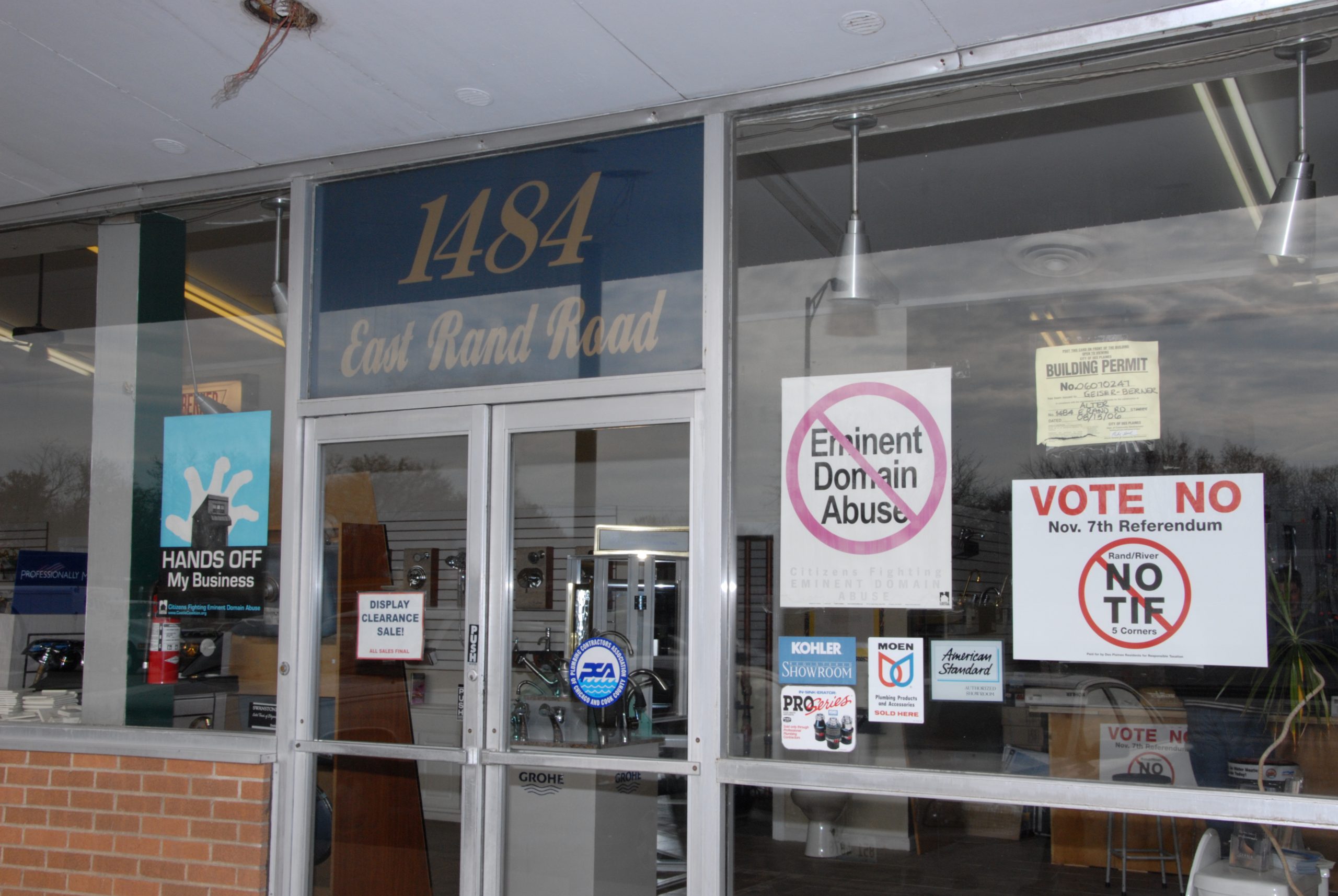
I’ve got hundreds of photos from the Des Plaines River-Rand TIF, and it’s about time I posted a few of them. I’ll start with this batch from Geiser-Berner Plumbing, Heating, and Air Conditioning. Its owners, Robert Janczak, Ed Lehman, and Scott Olson are among the more outspoken opponents of the TIF.
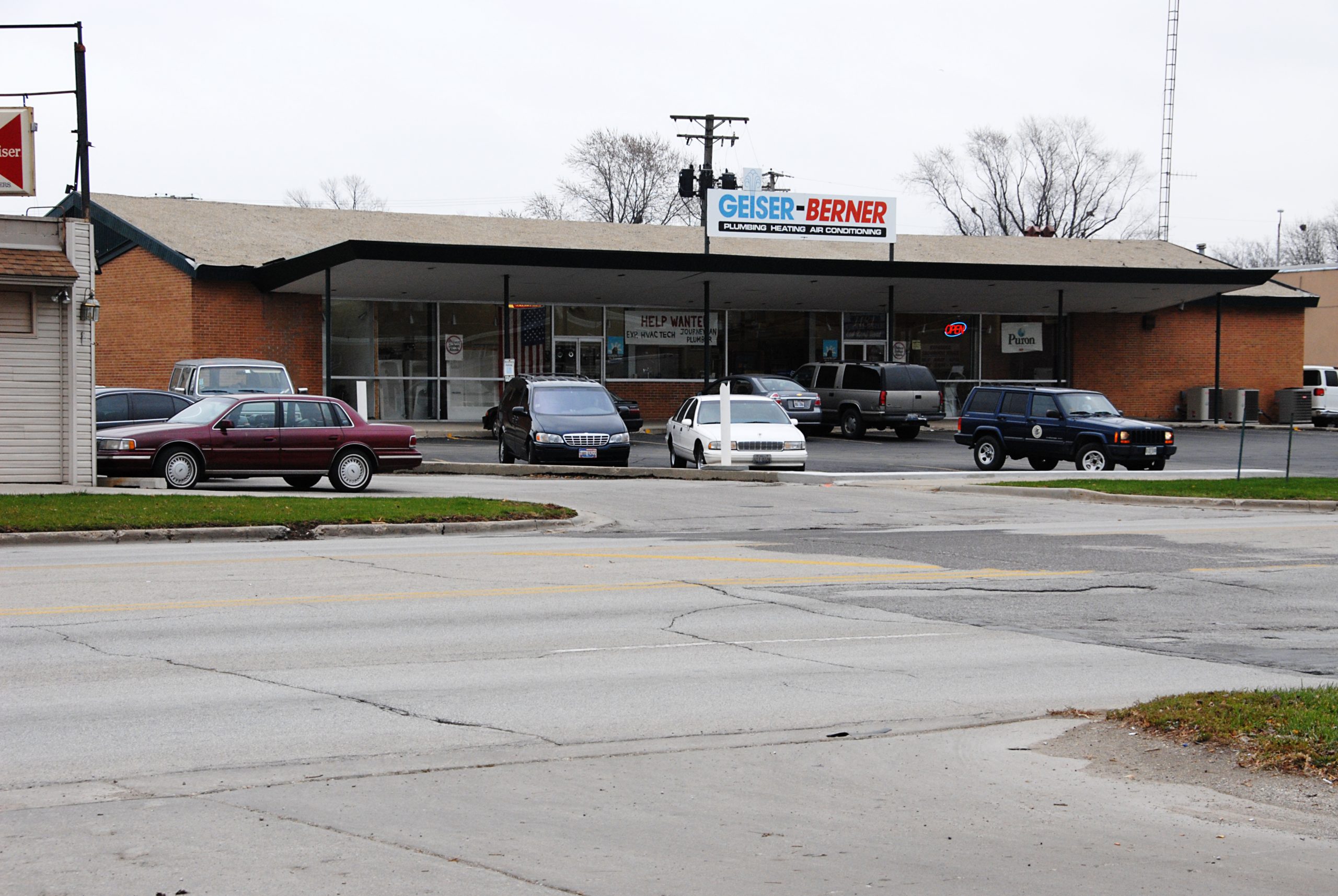
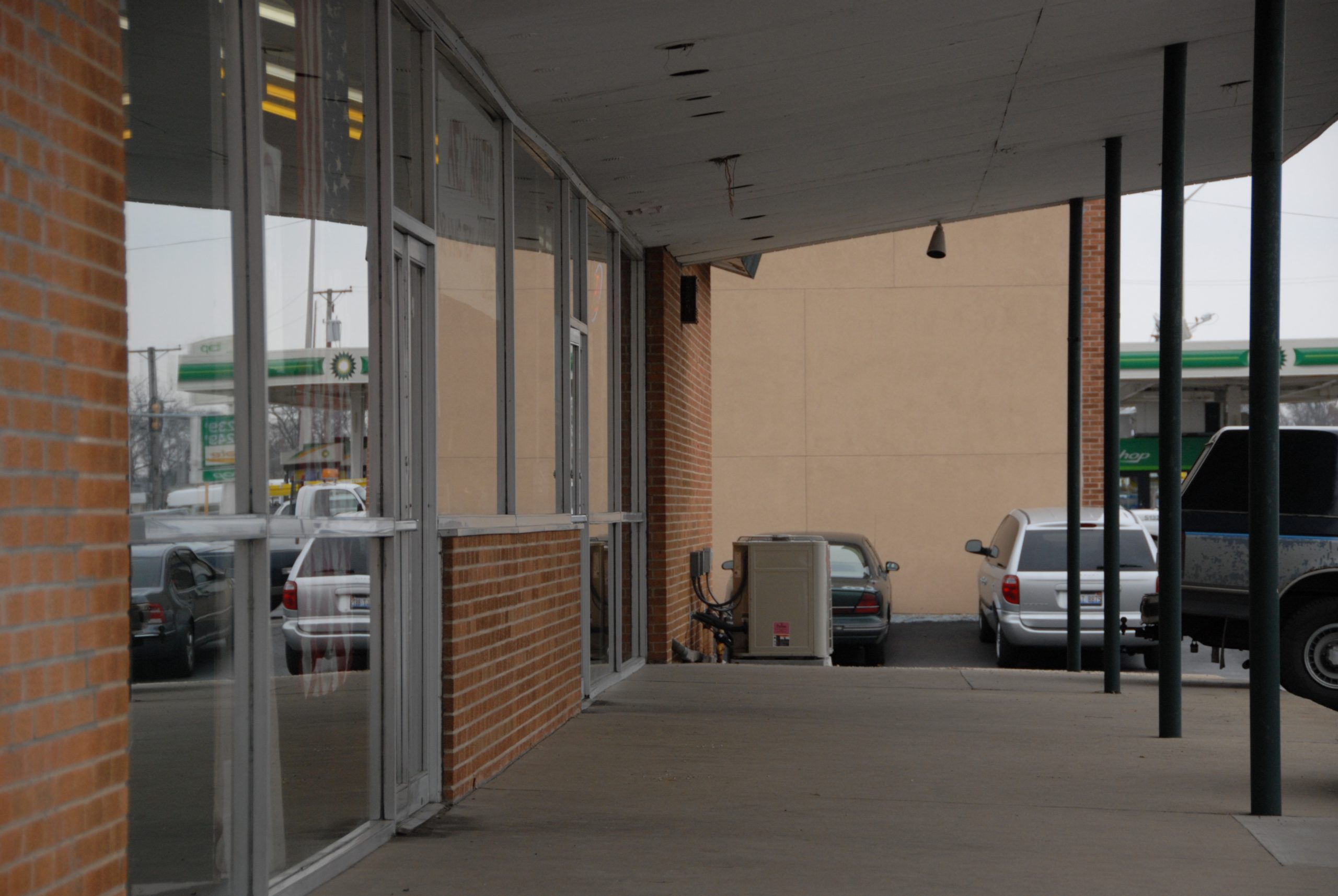
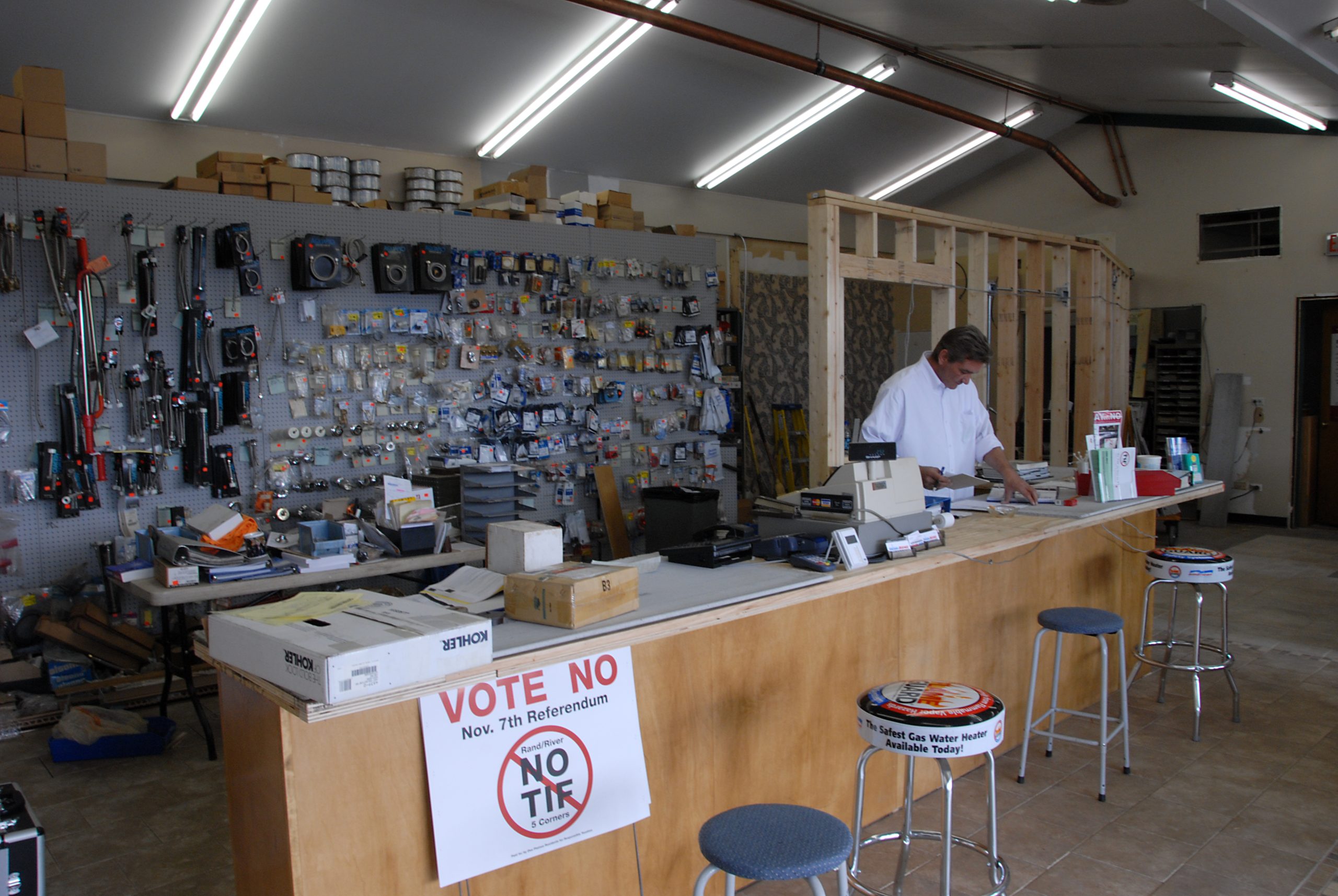
Their shop is a standalone building with a somewhat out-of-date look. In these photos you can see that it’s not particularly run down, but you wouldn’t confuse it with a new building. Still, it’s hard to see it as “blighted.”
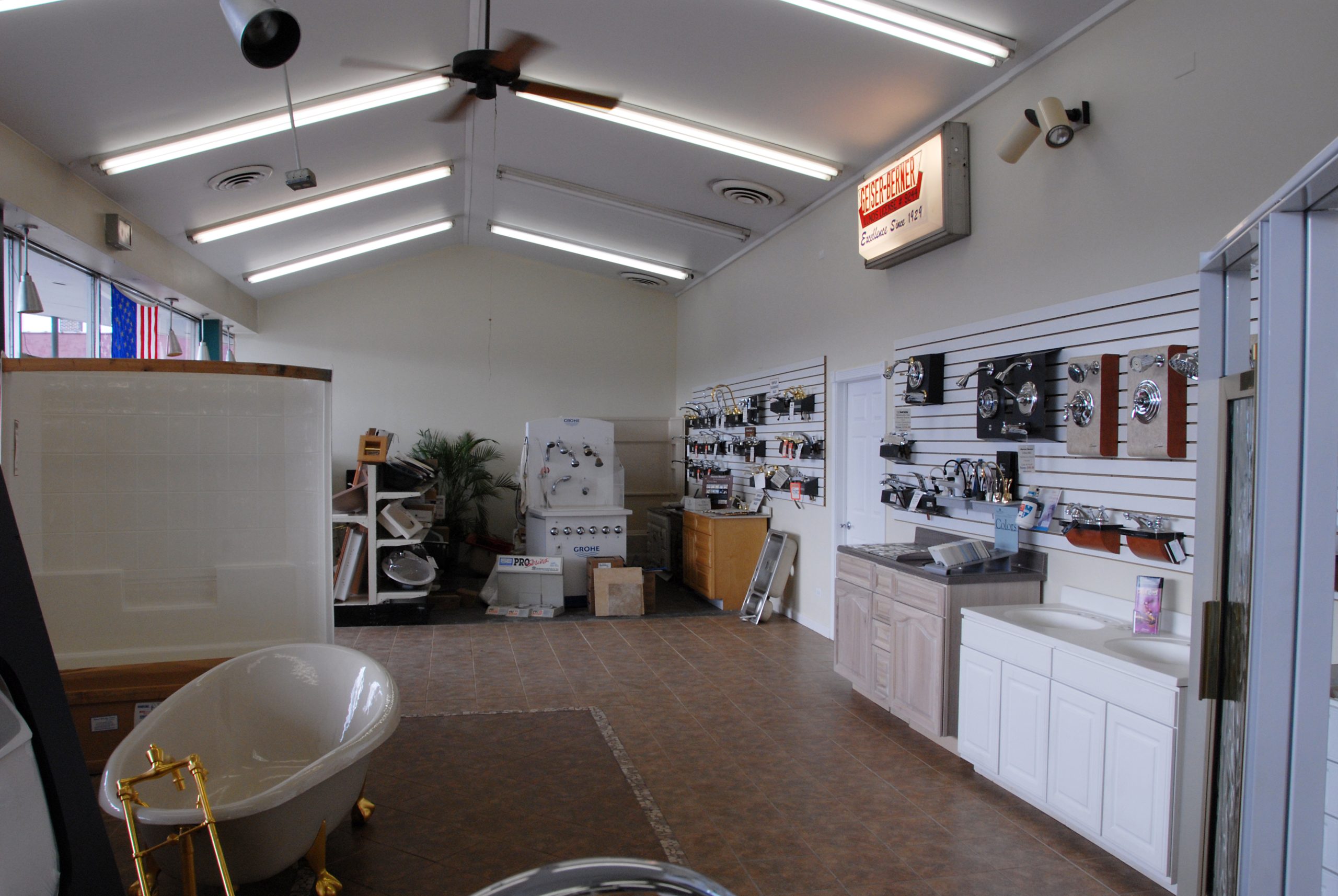
I glanced into the showroom when I visited and took a couple of shots. You can see that they’re putting some money into making it look nice. Depending how the TIF turns out, they may be sorry they did that.
The decision to remodel a showroom can be analyzed like any other business decision: What’s the return on the investment? If it costs $10,000 to remodel, and the new design is expected to be in use for 10 years, then the remodeled showroom had better produce an increase in net income sufficient to pay back the cost, plus a discount for the fact that you have to spend the $10,000 now, but the payback is spread out over a decade (kind of like interest on a loan). If the discount rate is 10%, a $10,000 remodeling job has to earn roughly an extra $1,600 per year to be worth it.
However, if the property will be seized in three years, that $1600 per year amounts to only about $4800, less than half the remodeling cost.
For Geiser-Berner, it’s too late. The remodeling price has already been paid…for this remodel. Future remodeling jobs and future repairs to the building, will have to be judged against the shorter time period enforced by the pending eminent domain seizure. This will have the effect of discouraging remodeling and repairs, bringing about some of the blight that the City of Des Plaines is so worried about.
Note: I’m not an expert in either corporate finance or valuation of condemned properties, so I’ve done violence to both in my explanation above. For one thing, eminent domain seizure of the property is not a certain thing, so it would be treated as just one of several risk factors affecting the decision to remodel. For another, remodeling that increases the value of the building should result in a higher payment for the property (reducing the loss from the short period of use) but the rules for such calculations are complex beyond my understanding.
[Update: Visit the next Des Plaines entry.]
Leave a Reply